stumptown
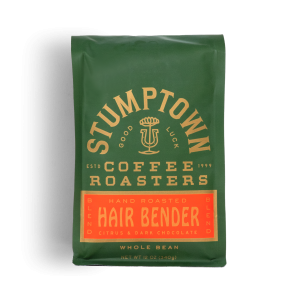
Stumptown Hair Bender
Bittersweet chocolate anchors every cup, and the East Africa component brings enough citrus to keep it from running flat.
Espresso forces near-boiling water through finely ground coffee at 9 bars of pressure in 25–30 seconds. That pressure extracts compounds faster and at higher concentration than any other brew method. The result: a 1–2 oz shot with intense flavor, thick body, and a layer of emulsified oils called crema.
The pressure amplifies everything. A clean bean tastes cleaner. A bitter or acidic bean becomes more so. There's no hiding flaws in espresso.
Medium to dark roast. Light roast espresso is possible and practiced in specialty coffee, but it demands a precise grinder, dialed extraction, and higher water temperature — it's not forgiving. For most setups, medium-dark is the sweet spot: enough development to reduce harsh acids without burning off all the aromatics.
Low-to-medium acidity. High-acid beans pull sharp and sour at espresso parameters. Ethiopian light roasts need a very short pull or they turn acidic fast.
Good body and crema production. Brazilian and Indonesian origins contribute crema. Robusta adds crema dramatically but at the cost of bitterness.
A blend, often. Single-origin espresso can be exceptional, but most great espresso blends pull from multiple origins for balance — Colombian for brightness, Brazilian for crema and body, Indonesian for depth.
Sour or thin shot: under-extraction. Grind finer, extend pull time, or raise water temperature. A 20-second shot from a medium-dark roast is likely under-extracted. Aim for 25–28 seconds for most setups.
Bitter, harsh shot: over-extraction or too dark a roast. Grind coarser, shorten pull, or switch to a medium-dark instead of dark roast.
No crema: stale beans. CO2 off-gasses from roasted coffee in days. Espresso beans should be used within 2–4 weeks of roast date. Check the roast date on the bag — a bag with no roast date is probably old.
Bittersweet chocolate anchors every cup, and the East Africa component brings enough citrus to keep it from running flat.
Dark chocolate and caramelized sweetness at maximum intensity: a medium-roast blend that earns its weight through sourcing, not through roasting time.
The roast decision here was to push sweetness as far as it goes while the washed process holds acidity in place, and the blend delivers a caramel-forward cup that earns the name.
The washed process and medium roast here make one deliberate trade: origin transparency for sweetness delivery, and Ruby executes that trade well.
Dark chocolate up front, a cherry note that outlasts the roast, and enough body to anchor milk drinks without bitterness dragging the cup down.
At $1.46 an ounce, Intelligentsia's name carries part of the price; the low acidity and genuine body carry the rest.
Handles espresso, drip, and french press without the bitterness that typically betrays a dark decaf at high roast intensity.
Pay single-origin prices and you get a Honduras microlot that leads with peach and honey and keeps the bitterness near zero through the finish.
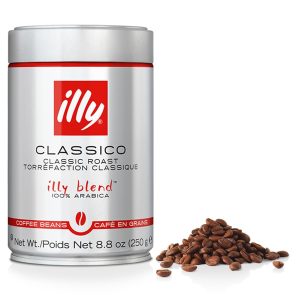
Espresso and pour-over drinkers who want a premium blend with a specific floral-caramel signature will find the Classico occupies a slot most grocery-tier mediums leave empty.
Caramel sweetness from the first sip, a suggestion of fruit through the middle, and a finish that drops without dragging anything bitter with it.
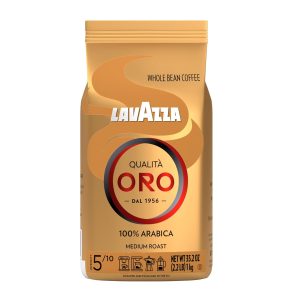
The roast has compressed most of the origin character, but the 4/5 body and controlled bitterness make this a capable espresso blend for lattes and milk drinks.
Lavazza chose washed processing across this multi-origin blend to lock in clarity, and the payoff is a consistently sweet, low-bitterness cup that holds up across every brew method on its label.
The blend does not earn the Stumptown price premium, but the high sweetness and low bitterness deliver a forgiving cup across every method on the label.
Dense through espresso and forgiving in a moka pot, with baking spice and dark chocolate that survive the roast where similar blends flatten out.
Clove and bittersweet chocolate push through the smoke, and what stays on the palate is more specific than most French Roasts manage.
Built for the auto-drip regular or home espresso drinker who wants a full-bodied, low-acid cup with dark chocolate and spice presence, the Spice Island Blend delivers on that brief without complication.
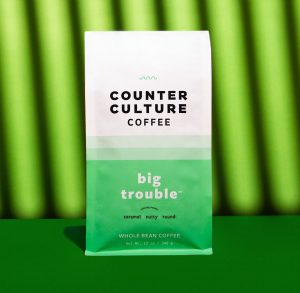
Holds its shape across drip, pour over, and espresso in a way most Latin America blends at this price tier don't: the body is real, the bitterness stays out of the way, and the sweetness has something to say.
The red fruit lifts mid-cup as it cools, pulling what starts as a caramel base into a second register that gives the pour over something to reveal.