stumptown
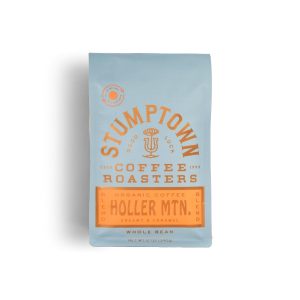
Stumptown Holler Mountain Organic
The blend does not earn the Stumptown price premium, but the high sweetness and low bitterness deliver a forgiving cup across every method on the label.
Washed (fully washed) coffee strips the fruit from the bean before drying. After picking, the cherry's skin and most of the fruit flesh are mechanically removed. The bean then ferments in water — typically 24–72 hours — to break down the remaining mucilage. Then it dries.
The result: a cup that tastes primarily of the bean, not the fruit. Acidity is clean and defined. Aromatics are precise. Body runs light-to-medium. There's no sweetness added by fruit fermentation — what sweetness exists comes from the bean's own sugars.
This is why washed coffees are the preference in specialty coffee. The process removes variables — fermentation, drying conditions, fruit influence — and lets the origin character of the bean read clearly. Ethiopian washed coffees from Yirgacheffe taste like bergamot and jasmine because the washed process reveals the bean without interference.
Clean, defined acidity. A dry finish. Floral or fruit notes that read as brightness, not sweetness. The cup is clear — it finishes without residue on the palate. If it tastes like the fruit of the coffee plant, that's a natural or honey process. If it tastes like the coffee bean itself, it's likely washed.
Ethiopia (Yirgacheffe, Limu), Colombia, Kenya, Central America (Guatemala, Honduras, Nicaragua). Colombia is almost entirely washed — it's the process that produces the clean caramel and mild acidity the origin is known for. Kenya is a unique variation: double-washed, which produces some of the most intensely clean, bright coffees in the world.
The blend does not earn the Stumptown price premium, but the high sweetness and low bitterness deliver a forgiving cup across every method on the label.
The roast has consumed most of what Ka'ū's terroir offers, but the Maragogipe varietal keeps enough sweetness alive to separate this from an ordinary dark.
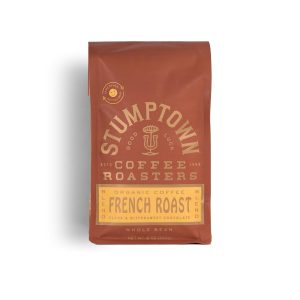
Clove and bittersweet chocolate push through the smoke, and what stays on the palate is more specific than most French Roasts manage.
Blue Bottle's price for a blend that delivers real body and a dried fruit lift over chocolate, but the cup earns only part of what the label charges.
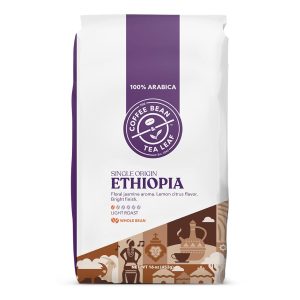
Lemon up front, a brief berry sweetness through the middle, and a dry floral finish that fades quickly.
Dense dark chocolate from first contact, no brightness to cut it, and enough body weight to hold its shape through steamed milk.
The 9-country blend erases origin character by design, but the sweetness execution is genuine and the cup holds across espresso, drip, and French press without demanding anything from the brewer.
Maximum roast intensity has consumed the Latin America blend's origin character entirely, but the 5/5 body makes it a functional base for milk-forward espresso and moka pot.
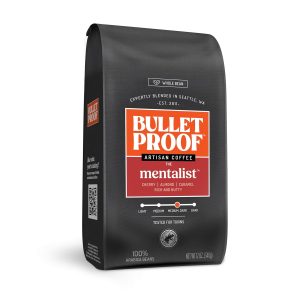
Cherry opens the cup, dark cocoa closes it, and the 4/5 body holds everything together in milk: the espresso credentials are real, but Bulletproof's name adds a cost the cup alone doesn't recover.
Maximum roast intensity has erased whatever the Latin America and Indonesia origins contributed, leaving a cup whose sole real asset is an uncommonly heavy body.
The blend erases origin character completely, but the near-zero bitterness and full-body sweetness make this one of the most forgiving medium roasts available for drip and French press.
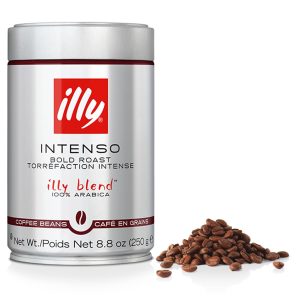
The body is there and the finish clears before it turns harsh, but the price reflects the Illy label more than it reflects what's in the cup.
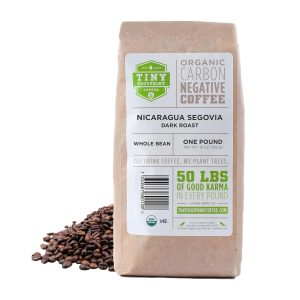
Dark chocolate bitterness with a caramel-sweetness backbone that keeps the cup from going flat, but the roast has consumed most of what Nicaragua originally offered.
Dark cocoa on a heavy frame, and the bitterness stays lower than the roast level has any right to promise.
The body arrives dense and coating from the first sip, with cocoa-powder dryness on the swallow that holds without sharpening into bitterness.
The organic single-origin sourcing carries a specialty price tag, and the cup earns part of it: substantial body, dark chocolate with a dried-fruit undercurrent, and a moderate bitterness that clears without punishment.
Dark chocolate on entry, full body through the cup, and a finish that drops off before bitterness builds: this blend delivers roast depth without the harshness that typically comes at this roast intensity.
Maximum roast intensity trades every trace of origin character for a heavy, chocolate-forward cup that stays controlled on bitterness despite running the roast dial all the way up.